
Do I Need a Real Estate Appraisal to Negotiate a Commercial Lease?
TL;DR: You don’t always need a real estate appraisal to negotiate a commercial lease, but if you’re negotiating a renewal, a long-term lease, or a fair-market-rent adjustment, an independent opinion of market rent can help you make an informed decision and avoid leaving money on the table.
Do You Need an Appraisal to Negotiate a Commercial Lease?
Technically, no. There is no rule that says you must have a real estate appraisal before negotiating a commercial lease.
But there is a bigger question to consider: Do you know what the property should reasonably be renting for in the current market?
That distinction matters.
At Regional Real Estate Appraisal Service, we’ve seen situations where commercial leases were renewed based largely on what the tenant was already paying, what the landlord thought was reasonable, or what someone believed similar properties were renting for. Sometimes that works out. Sometimes it means a landlord locks in below-market rent for years without realizing how much income has been left on the table.
And when the new lease runs for 10 or 15 years, that decision can become significant.
A commercial lease is a major financial commitment. Before negotiating one, both sides should have a reasonable understanding of the market.
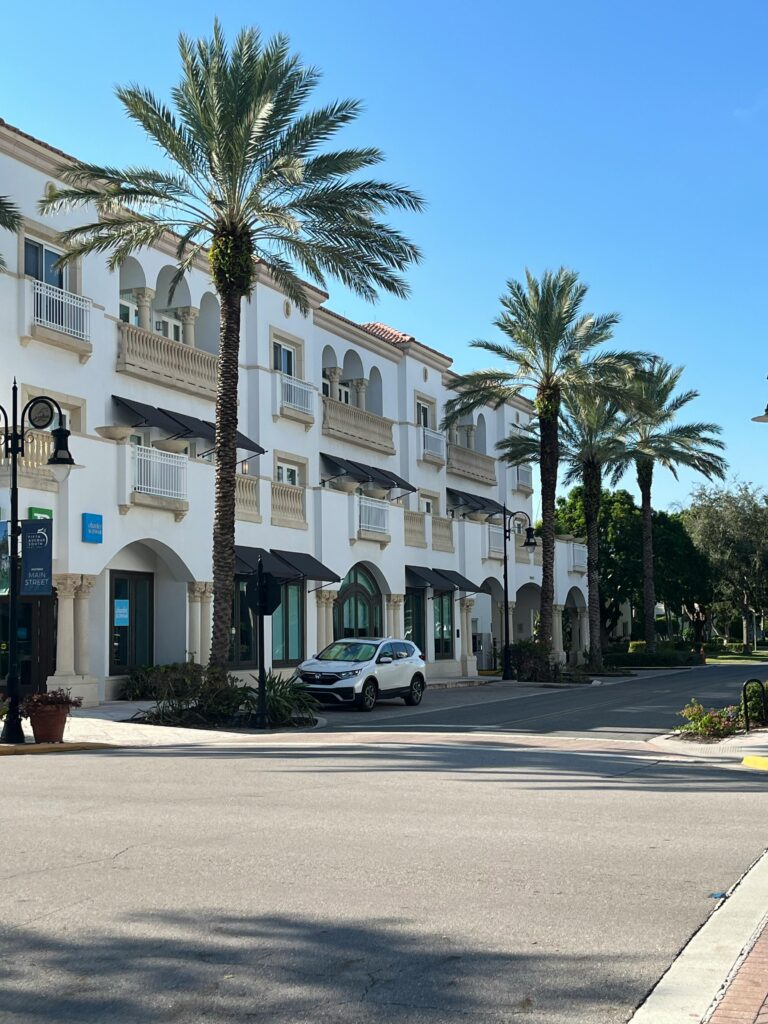
Why Commercial Lease Negotiations Are Different
Commercial properties are not all alike, and neither are commercial leases.
A retail property, office building, industrial property, warehouse, mixed-use building, medical office, or specialized property can have very different rental characteristics. Even two properties that appear similar on paper may have substantially different market rents once you look at the details.
There are also many components to a commercial lease that can affect the economics of the deal, including:
Lease structure
Base rent
Operating expenses
CAM charges
Taxes and insurance
Tenant improvements
Landlord concessions
Parking
Property condition
Location and visibility
Building size and configuration
Lease term
Renewal options
Rent increases
Specialized features or improvements
Responsibilities for repairs and maintenance
This is why simply looking at a few commercial listings online and saying, “The property down the street is asking $25 per square foot, so ours should be worth $25,” can be misleading.
Commercial lease negotiations require context.
When an Appraisal Can Help With a Commercial Lease
There are several situations where an independent appraisal or market-rent analysis can be particularly useful.
Lease Renewals
One of the most common situations is an existing tenant approaching the end of a lease.
A landlord may have a tenant who has been in the property for many years and is paying the same rent, or a rent that has not kept pace with the market.
The existing rent is not necessarily the market rent.
At Regional Real Estate Appraisal Service, we’ve seen situations where long-term tenants were paying below-market rent. The landlord had become accustomed to the existing rent and was considering simply renewing the lease based on that number.
Before committing to a new lease, however, the landlord should understand what the property could reasonably command in the current market.
Fair Market Rent Provisions
Some leases specifically require rent to be adjusted to fair market rent at renewal.
This is where an independent opinion can become especially valuable.
Instead of having the landlord and tenant simply argue over what they each believe the rent should be, an appraiser can analyze the market and provide an independent third-party opinion based on relevant market evidence.
Long-Term Leases
The longer the lease, the more important the initial negotiation can become.
We’ve seen situations where a landlord and tenant negotiate a renewal and ultimately lock themselves into a 10- or 15-year agreement without taking the time to establish whether the starting rent reflects current market conditions.
That can be an expensive mistake.
A difference in rent that may seem relatively small on a monthly or annual basis can become substantial over a long lease term.
Before signing a lease for 15 years, it is worth understanding what you’re actually agreeing to.
When the Landlord and Tenant Disagree
An appraisal can also provide an independent starting point when the parties have very different opinions about market rent.
The purpose isn’t necessarily to tell either side what they have to agree to. A valuation professional can provide an objective opinion that gives both parties better information going into the negotiation.
Ultimately, the landlord and tenant still have to negotiate the terms of their agreement.
The appraisal simply helps make sure the negotiation isn’t based entirely on guesswork.
Why Looking at Asking Rents Isn’t Enough
One of the biggest misconceptions we see is that determining commercial market rent is as simple as searching online for similar properties.
It isn’t.
An asking rent is what someone wants for a property. It does not necessarily represent the rent a property actually commands in the market.
There can also be significant differences between properties that appear comparable.
For example, two industrial buildings may have similar square footage but differ in location, access, ceiling height, loading, parking, condition, office finish, land area, or other characteristics. Those differences can affect the market rent.
The same is true for retail, office, mixed-use, and other commercial properties.
A professional analysis considers the property as a whole and looks at the characteristics of the lease and the market.
Every Commercial Lease Is Unique
There is no single formula that works for every commercial lease.
A landlord leasing a small retail space may be dealing with completely different considerations than an owner of an industrial building or a multi-tenant office property.
Even within the same property type, lease structures can vary considerably.
That is one reason we believe commercial lease negotiations should be approached with the right professionals involved.
An appraiser can provide an opinion of market rent and value. An attorney can address the legal terms of the lease. An accountant can address tax and financial considerations. Depending on the property, other professionals may also be appropriate.
Each professional has a different role.
The goal is to have the information necessary to make an informed decision.
A Real-World Example: Leaving Money on the Table
One of the situations we’ve encountered involves an existing commercial tenant whose lease was coming up for renewal.
The tenant had been in the property for a long time, and the existing rent was below what the property could reasonably command in the current market.
The landlord was considering renewing the lease without first obtaining an independent opinion of market rent.
That is where we believe landlords need to slow down.
If you are about to sign a new lease for another 10 or 15 years, you don’t want to discover years later that you agreed to below-market rent simply because nobody took the time to establish where the market actually was at the time of renewal.
This isn’t about trying to maximize rent at all costs or pushing away a good tenant.
It is about knowing the market before making a long-term financial decision.
Sometimes the market supports a higher rent. Sometimes the existing rent is reasonable. Sometimes the terms of the lease justify a different conclusion.
The important thing is knowing why.
An Appraisal Doesn’t Negotiate the Lease for You
An appraisal is not a substitute for negotiation.
The landlord and tenant may ultimately agree to a rent above or below an appraiser’s opinion of market rent for any number of reasons.
There may be other business considerations, tenant improvements, concessions, lease terms, vacancy considerations, or other factors affecting the deal.
The role of Regional Real Estate Appraisal Service is to provide an independent professional opinion based on the market and the characteristics of the property.
What the parties do with that information is up to them.
That independence is important.
When You May Not Need an Appraisal
Not every commercial lease requires an appraisal.
If the parties already have reliable market information, the lease is relatively short-term, the rent is clearly supported by recent comparable transactions, or the financial significance of the decision is limited, the parties may determine that a formal appraisal isn’t necessary.
The point isn’t that every commercial lease needs an appraisal.
The point is that you should understand the market before making a significant commitment.
The larger and longer-term the financial decision, the more valuable reliable information can become.
What Should You Do Before Negotiating a Commercial Lease?
Before entering into a significant commercial lease or renewal, consider the following:
Review the existing lease and renewal provisions.
Understand exactly what is included in the rent.
Determine whether the lease is gross, modified gross, NNN, or another structure.
Review operating expenses, taxes, insurance, and CAM charges.
Look at the property’s current condition and improvements.
Research current market conditions.
Don’t rely solely on advertised asking rents.
Consider whether the existing rent may be above or below market.
Understand the financial impact of the proposed lease term.
Consider obtaining an independent market-rent opinion before negotiations.
Consult an attorney regarding the legal terms of the lease.
Consult an accountant or other financial professional when appropriate.
The Goal Is an Informed Decision
A commercial lease can represent a significant financial commitment for both the landlord and the tenant.
The question isn’t simply, “Do I need an appraisal?”
A better question may be:
“Do I have enough reliable information to know that the rent I’m negotiating is reasonable for this property and this market?”
We’ve seen people renegotiate leases and leave money on the table because they didn’t take the time to understand the market before signing a long-term agreement.
Once that lease is signed, you may be living with that decision for years.
An independent appraisal or market-rent analysis can give you another piece of information before you negotiate. It doesn’t tell you what you have to agree to. It helps you understand the market so you can make an informed decision.
At Regional Real Estate Appraisal Service, we provide independent commercial appraisal and valuation services for a wide range of property types. Our appraisers analyze the property, the market, and the relevant comparable data to develop an independent opinion appropriate to the assignment.
When you’re negotiating a commercial lease, you don’t necessarily need another opinion.
But before you commit to a 10- or 15-year lease, it is worth asking whether you have enough information to know what you’re agreeing to.
considering ordering an appraisal or have a question?
Need help with a real estate appraisal question? We’ve got you covered. Fill out the form below to discover how we can assist you in navigating the complexities of the real estate market with ease and expertise.
Request A Free Quote
An appraisal fee for a property is determined by several factors, including its location, uniqueness, and the intended use of the appraisal report.
If you’re in need of a commercial or residential property appraisal, please complete the contact form to get in touch with us.
Our team of experienced appraisers will take the time to understand your specific needs and requirements, and provide you with a customized quote for our appraisal services.
contact
Phone: 845-786-7374
Email: orders@regionalvaluations.com