
FEMA 50% Rule Explained: What Property Owners Need to Know
TL;DR:
- There is no official FEMA “5-year rule”
- The 50% Rule is enforced by local municipalities, not FEMA directly
- Some areas track improvements over time (1 year, 5 years, 10 years, or longer)
- Multiple smaller projects can add up and trigger the rule
- Always check local requirements—and get a FEMA 50% appraisal early to avoid surprises
When people hear about the FEMA 50% Rule, they often assume it only applies after a property has been damaged by a flood or hurricane. In reality, that’s only part of the story.
The rule can also apply to properties that are in perfectly good condition—simply because of the scope of work being proposed.
If your property is located in a flood zone, the FEMA 50% Rule may come into play anytime you apply for permits to repair, renovate, or improve the structure.
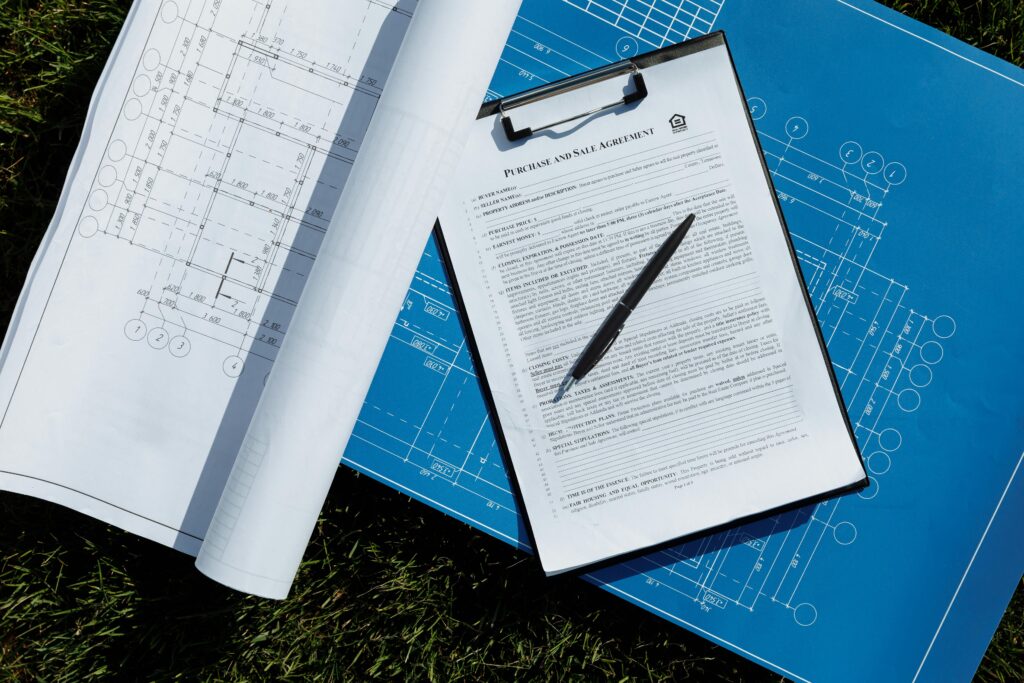
What Is the FEMA 50% Rule?
The FEMA 50% Rule, established under the National Flood Insurance Program (NFIP), is used by local municipalities to determine whether a structure is considered “substantially improved” or “substantially damaged.”
In simple terms, the rule is triggered when:
- The cost of improvements or repairs equals or exceeds 50% of the structure’s market value (not including land)
This means the rule applies to:
- Storm or flood damage
- Interior or exterior renovations
- Additions or major upgrades
Even if your home has no damage at all, you can still trigger the rule based on the value of the work you’re planning.
You can read more directly from FEMA here:
Why This Matters for Permits
When you submit plans for work on a property in a flood zone, your local building department may require a FEMA 50% Rule appraisal.
That appraisal is used to determine the market value of the structure only, which is then compared to the cost of the proposed work.
If your project crosses that 50% threshold, the municipality may require the property to be brought into full compliance with current flood regulations—even if the structure was previously compliant.
In practical terms, that could mean:
- Elevating the structure
- Redesigning the project
- Or significantly increasing construction costs
FEMA 50% Rule Explained: Real Situations Property Owners Face
The FEMA 50% Rule isn’t just a technical guideline—it shows up in very real (and often stressful) situations for property owners, buyers, and investors. And importantly, it’s not only triggered by damage. Many people run into issues simply because of renovations, timing, or how prior work was handled. Below are some of the most common real-life scenarios we see when it comes to FEMA 50% Rule compliance.
You Repaired After a Hurricane… But Now You Can’t Close
After a storm like Hurricane Ian, many property owners moved quickly to repair and remodel their homes. In some cases, work was completed without fully considering FEMA 50% Rule implications. Now fast forward—you’re under contract to sell your home, and the issue comes up during closing.
At that point, you may be required to prove one of two things:
- That the total cost of improvements did not exceed 50% of the structure’s value, or
- That the work was not properly permitted, which can create a different set of problems
If the improvements are determined to exceed the threshold, you could be forced to:
- Bring the home into full FEMA compliance (which may include elevation), or
- In some cases, remove or undo improvements
This situation can delay or completely derail a closing if not addressed properly.
You Renovated, Took Tax Deductions… and Got Audited
Another scenario that catches people off guard is when renovations intersect with tax reporting.
Let’s say you:
- Claimed losses or improvements related to storm damage
- Wrote off portions of the work with the IRS
If you’re audited, you may need to justify those costs and the nature of the work performed.
This can overlap with FEMA requirements, especially if:
- The work was substantial
- The property is located in a flood zone
In these cases, a retrospective appraisal can help support:
- The legitimacy of renovation costs
- The structure’s value at the time of work
- Whether the project aligned with FEMA 50% thresholds
Your Home Is Fine—But Your Roof Triggers the Rule
Not every FEMA 50% situation involves major renovations or storm damage.
A very common example: Your home is in good condition, but your roof has reached the end of its life due to normal wear and tear.
You apply for a permit to replace it—but because:
- The property is in a flood zone, and
- The replacement cost is significant
…it can trigger a FEMA 50% review. If the assessed value used by the municipality is too low, the project may appear to exceed the threshold—even when it realistically shouldn’t. This is where a private FEMA 50% appraisal becomes critical.
By establishing an accurate structure-only market value, you may be able to:
- Stay below the 50% threshold
- Move forward with permits
- Avoid unnecessary compliance requirements
Your Commercial Property Is Stuck Years After Storm Damage
This situation is more common than people expect—especially with larger or phased projects. Your commercial property was damaged during Hurricane Ian. It’s now 2026, and repairs have been ongoing in stages. You’ve already completed part of the work, but there’s still more to do. At some point, the county may step in and say:
- You’ve reached your allowable improvements under the FEMA 50% Rule
At that stage, the key becomes valuation timing.
A proper FEMA 50% appraisal may require:
- A retrospective valuation date (typically the day before the storm)
- Establishing the structure’s value at the time the original damage occurred
This ensures the 50% threshold is calculated correctly based on:
- The original condition
- The correct point in time
Without that, you risk:
- Incorrect thresholds
- Delays in completing your project
- Additional compliance requirements
You’re Buying a Home and Planning Renovations
This is a big one for buyers and investors.
You find a home in great condition, but you plan to:
- Update the kitchen and bathrooms
- Replace flooring
- Make cosmetic improvements
The property is located in a flood zone, so before moving forward, you want to understand: How much work can I actually do without triggering the FEMA 50% Rule?
A FEMA 50% appraisal allows you to:
- Determine the structure-only value (excluding land)
- Establish a realistic renovation budget
- Make informed decisions before closing
This can ultimately help you:
- Avoid over-improving the property
- Prevent permit issues later
- Protect your investment strategy
Why These Scenarios Matter
Across all of these situations, one thing is consistent:
The FEMA 50% Rule is less about the event—and more about the relationship between cost and structure value.
That’s why having an accurate, defensible appraisal is so important. It becomes the foundation for:
- Permits
- Compliance decisions
- Legal and financial outcomes
For official FEMA guidance, you can review:
https://www.fema.gov/node/where-can-i-find-information-substantial-damage-and-substantial-improvements
How Market Value Is Determined
For FEMA 50% Rule purposes, market value refers to the value of the structure only (excluding land), based on its condition prior to any damage or improvements.
A certified appraiser develops this value using recognized appraisal methods, including comparable sales, cost analysis, and overall property characteristics.
In many cases—especially for FEMA-related assignments—the cost approach plays a significant role. This involves estimating the replacement cost of the structure and applying depreciation based on age, condition, and effective life.
You may also hear this concept referred to as Actual Cash Value (ACV), which generally reflects replacement cost minus depreciation. While ACV is commonly used in insurance and construction discussions, in a FEMA 50% Rule context it is best understood as a supporting method used to arrive at market value—not a replacement for it.
Because the final number directly impacts whether a property exceeds the 50% threshold, the valuation must be accurate, well-supported, and aligned with FEMA and local municipal expectations.
Who Performs FEMA 50% Appraisals?
These appraisals are completed by state-certified real estate appraisers with experience in FEMA and floodplain-related assignments. They are not performed by FEMA itself—the appraisal is submitted to your local municipality, which makes the final determination.
Choosing the Right Appraiser Matters
Not every appraiser is familiar with FEMA 50% Rule requirements. This type of assignment often involves:
- Retrospective valuation (pre-damage or pre-improvement condition)
- Understanding of NFIP guidelines
- Experience with coastal and waterfront properties
- Familiarity with local permitting expectations
Working with the right appraiser can help avoid delays, revisions, or challenges during the permitting process.
Is There a “5-Year Rule” for FEMA 50%?
One of the most common questions we hear is whether the FEMA 50% Rule resets every five years.
The reality is that FEMA does not impose a fixed timeframe like a “5-year rule.” Instead, the 50% threshold is applied based on how local municipalities track improvements and repairs over time.
Some jurisdictions evaluate each project individually, while others apply what’s known as cumulative substantial improvement. This means they track the total cost of work performed on a property over a specific period—such as one year, five years, or even longer.
In these cases, multiple smaller projects can add up and trigger the FEMA 50% Rule, even if no single renovation exceeds the threshold on its own.
For example, a roof replacement, followed by interior renovations and system upgrades over time, may collectively exceed 50% of the structure’s value depending on how the municipality tracks improvements.
Because these rules vary by location, it’s critical to understand how your local building department or floodplain administrator applies cumulative improvements before starting any project.
FEMA 50% Appraisals in South Florida
Regional Real Estate Appraisal Service provides FEMA 50% Rule appraisals across South Florida, including:
Gulf Coast: Fort Myers, Naples, Cape Coral, Port Charlotte
East Coast: Palm Beach, Boca Raton, Deerfield Beach, Pompano Beach, Fort Lauderdale
We work with single-family, commercial, and complex waterfront properties with both Gulf and Atlantic access.
considering ordering an appraisal or have a question?
Need help with a real estate appraisal question? We’ve got you covered. Fill out the form below to discover how we can assist you in navigating the complexities of the real estate market with ease and expertise.
Request A Free Quote
An appraisal fee for a property is determined by several factors, including its location, uniqueness, and the intended use of the appraisal report.
If you’re in need of a commercial or residential property appraisal, please complete the contact form to get in touch with us.
Our team of experienced appraisers will take the time to understand your specific needs and requirements, and provide you with a customized quote for our appraisal services.
contact
Phone: 845-786-7374
Email: orders@regionalvaluations.com